Pakistan Emergency WASH, Shelter, & Infrastructure Clinic – A Call for Action
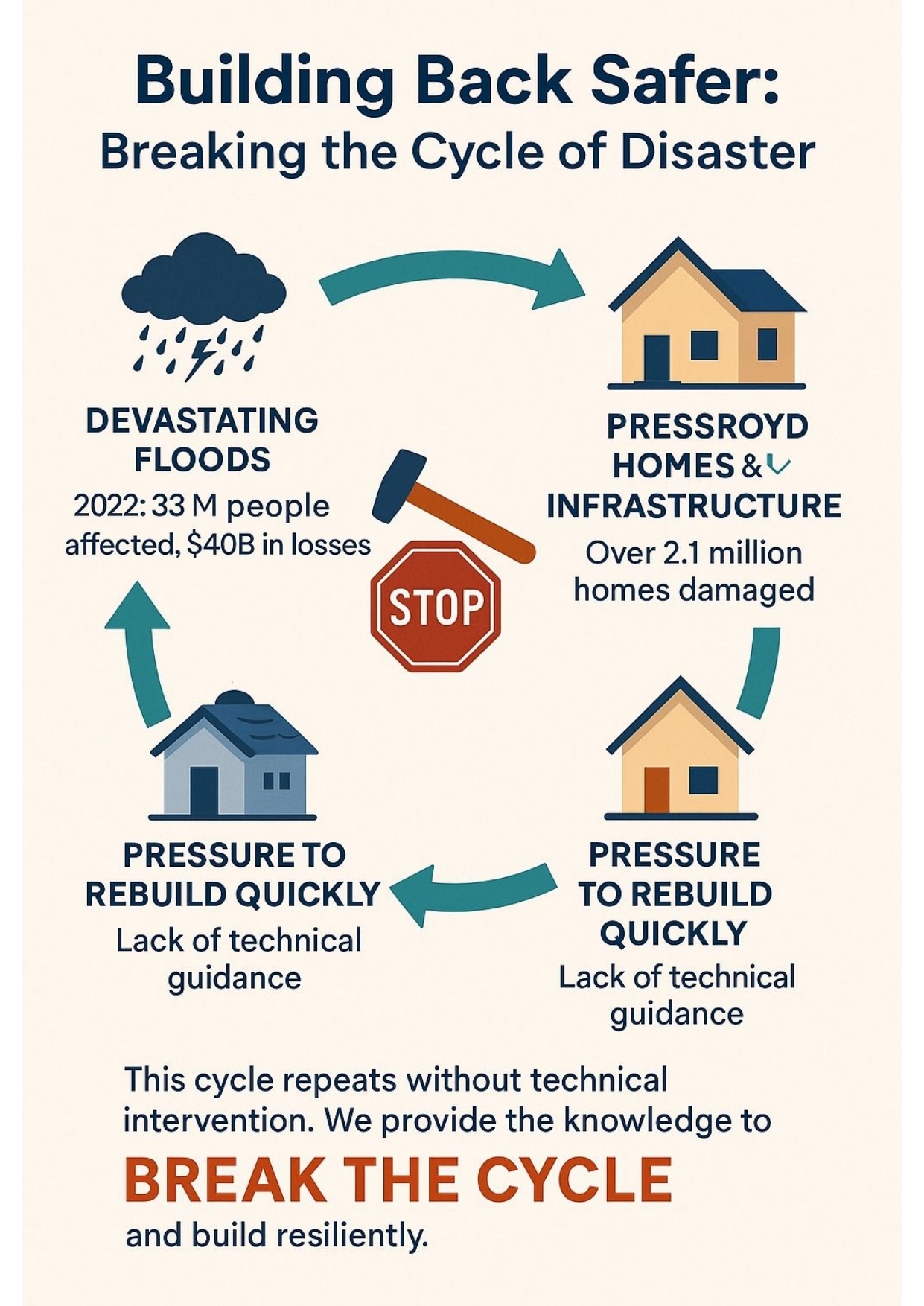
Flood emergencies in Pakistan keep reminding us: local responders act first, international support comes later. Communities, local NGOs, masons, engineers, health workers, and district officials are already on the ground, but often without access to technical guidance, rapid design support, and context-specific recovery planning.
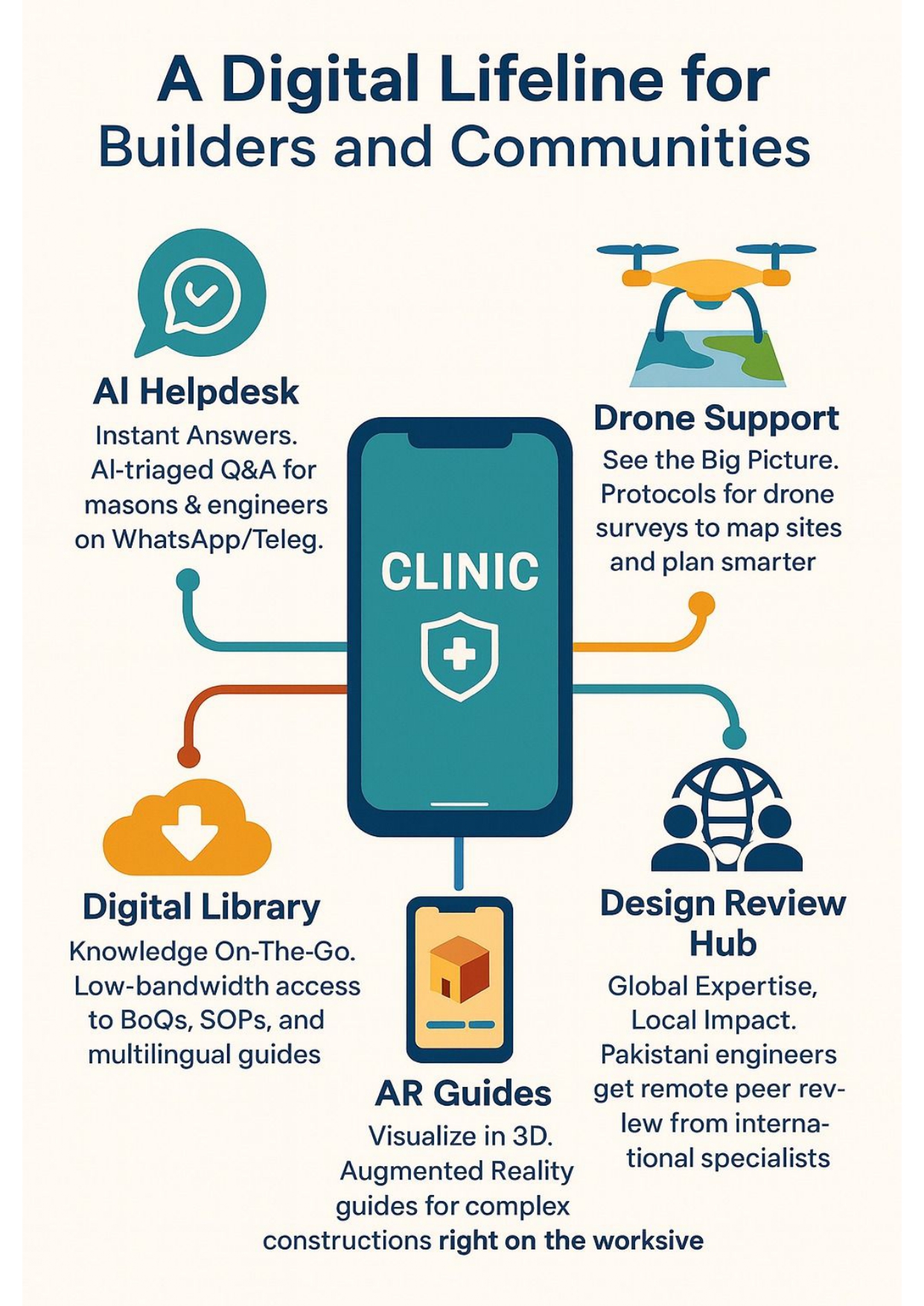
To bridge this, we are calling for the launch of a Pakistan Emergency WASH, Shelter, & Infrastructure Clinic — a virtual and hybrid platform that connects frontline responders with a roster of shelter, WASH, and community infrastructure experts who can:
- Provide real-time remote technical advice during emergencies (design checks, safe building tips, water & sanitation fixes).
- Offer bite-sized capacity-building sessions for local responders on rapid damage assessments, emergency sheltering, WASH solutions, integrating protection & gender-sensitive approaches, and recovery planning.
- Share ready-to-use resources: context-fit drawings, BoQs, and SOPs in local languages.
- Mentor local engineers, masons, and NGOs — not replacing them, but strengthening their hand.
Why now?
In the 2010–12 floods, coordination was mostly externally led; local voices fought for a place at the table.
In the 2022 floods, local charities and NGOs carried the bulk of the response, while external experts largely advised from a distance or led the strategy development at national and provincial level.
In 2025 and beyond, the challenge is clear: we have strong local capacities, but we need “little handholding efforts” that handholds, not hand over.
What we need
We are seeking:
- Shelter, WASH, and infrastructure specialists (engineers, architects, DRR practitioners, public health engineers) willing to volunteer a few hours a month.
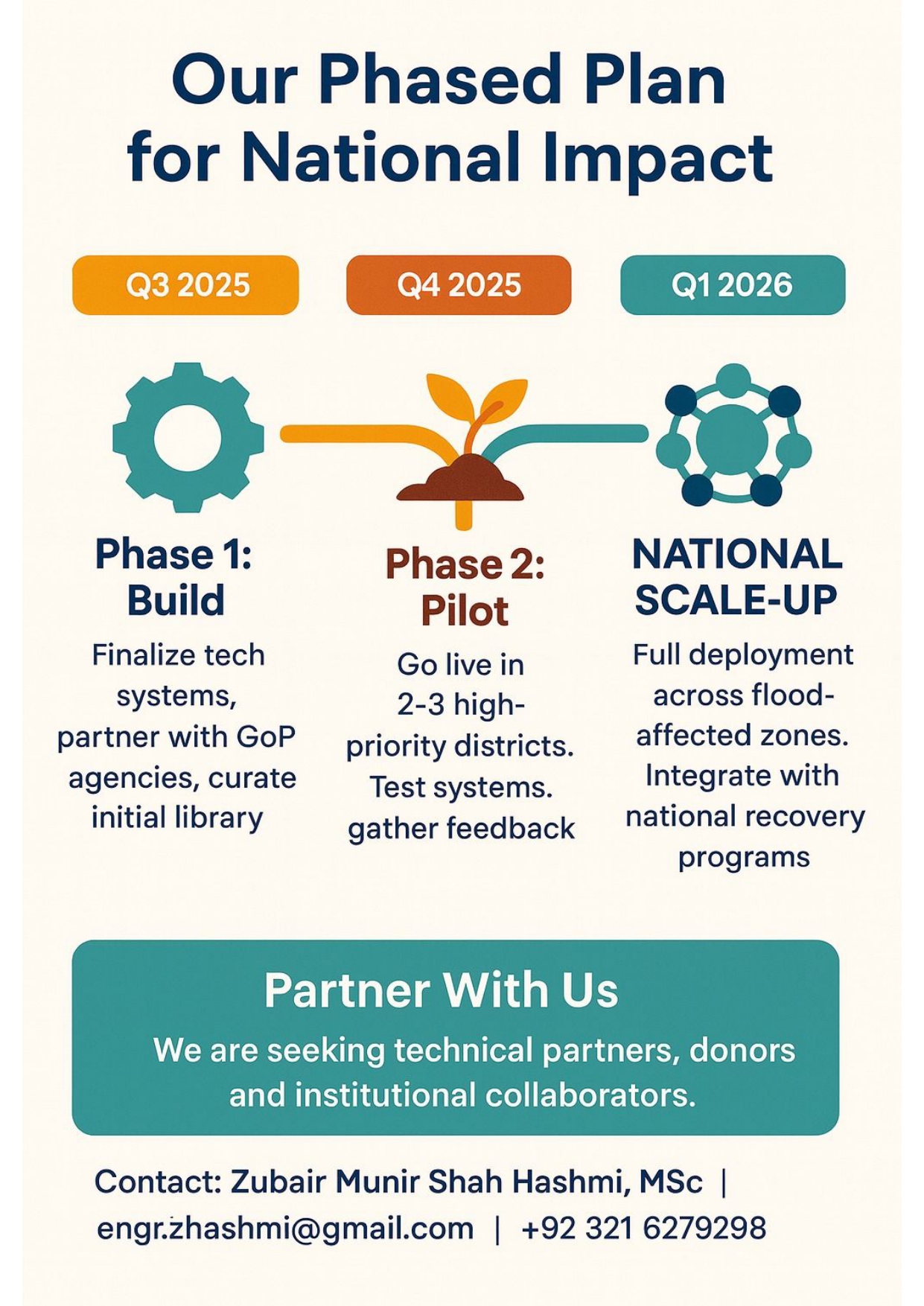
- Local NGOs and universities ready to partner in piloting this model.
- Donors and institutions who believe in localized, demand-driven technical support rather than one-size-fits-all deployments.
- Ideas on how best to structure this clinic: Should it be a virtual helpdesk, a roving district-based training hub, or a community of practice with regular clinics.
Call to action
If you have ideas, resources, or interest in co-developing this initiative, please share your thoughts through this EOI or WhatsApp.